
Trekking Shoes Guide India: Choosing the Right Trekking Shoes for India
- TREXPERT

- Jan 25
- 3 min read
Trekking in India offers an incredible variety of landscapes, from the snow-capped Himalayas to the lush Western Ghats and the rugged terrains of Rajasthan. Choosing the right trekking shoes is essential to enjoy these adventures safely and comfortably. The right footwear can protect your feet, improve your grip on challenging trails, and prevent injuries. This guide will help you understand what to look for when selecting trekking shoes for your Indian expeditions.
Understanding the Terrain and Climate in India
India's diverse geography means trekking conditions vary widely. Before buying trekking shoes, consider the terrain and climate of your trekking destination.
Himalayan treks: Expect rocky, uneven paths, snow, and cold weather. Waterproof and insulated shoes with good ankle support are necessary.
Western Ghats and Nilgiris: These areas have dense forests and slippery trails during monsoon. Shoes with excellent grip and water resistance are ideal.
Desert treks in Rajasthan: Hot and dry conditions require breathable shoes with good ventilation.
Plains and easy trails: Lightweight shoes with moderate support work well.
Knowing the environment helps you choose shoes that match the demands of your trek.

Close-up of trekking shoes designed for rocky Himalayan terrain
Trekking Shoes Guide India: Key Features to Look For
When selecting trekking shoes, focus on these critical features to ensure comfort, durability, and safety:
1. Material
Leather: Durable and water-resistant but heavier. Best for long treks in rough terrain.
Synthetic fabrics: Lightweight and breathable but less durable. Suitable for short or moderate treks.
Gore-Tex or similar membranes: Waterproof and breathable, ideal for wet conditions.
2. Sole
Look for Vibram soles or other high-quality rubber soles with deep lugs for excellent traction.
The sole should be stiff enough to protect your feet from sharp rocks but flexible enough for comfort.
3. Ankle Support
High-cut shoes provide better ankle support, reducing the risk of sprains on uneven trails.
Low-cut shoes are lighter and better for easy or flat trails.
4. Weight
Heavier shoes offer more protection but can tire your legs faster.
Lightweight shoes are comfortable for long distances but may compromise on protection.
5. Fit and Comfort
Always try shoes on with trekking socks.
There should be enough room to wiggle your toes but no slipping at the heel.
Consider shoes with good padding and cushioning.
6. Water Resistance
Waterproof shoes are essential for monsoon treks or snowy conditions.
For dry treks, breathable shoes prevent overheating.
How to Choose Trekking Shoes for Different Indian Treks
Different treks require different types of shoes. Here are some recommendations based on popular trekking regions in India:
Himalayan Treks
Choose high-cut, waterproof leather boots with insulation.
Look for shoes with Vibram soles for grip on snow and ice.
Examples: La Sportiva Nepal Evo, Salomon Quest 4D GTX.
Western Ghats and Monsoon Treks
Opt for mid-cut shoes with Gore-Tex membranes.
Ensure soles have aggressive lugs for slippery trails.
Examples: Merrell Moab 2 Waterproof, Quechua Forclaz.
Desert and Dry Region Treks
Lightweight, breathable shoes with good ventilation.
Low to mid-cut for comfort in hot weather.
Examples: Columbia Redmond Waterproof, Salomon X Ultra.
Easy and Short Treks
Lightweight trail runners or low-cut trekking shoes.
Focus on comfort and breathability.
Examples: Adidas Terrex, Nike Wildhorse.
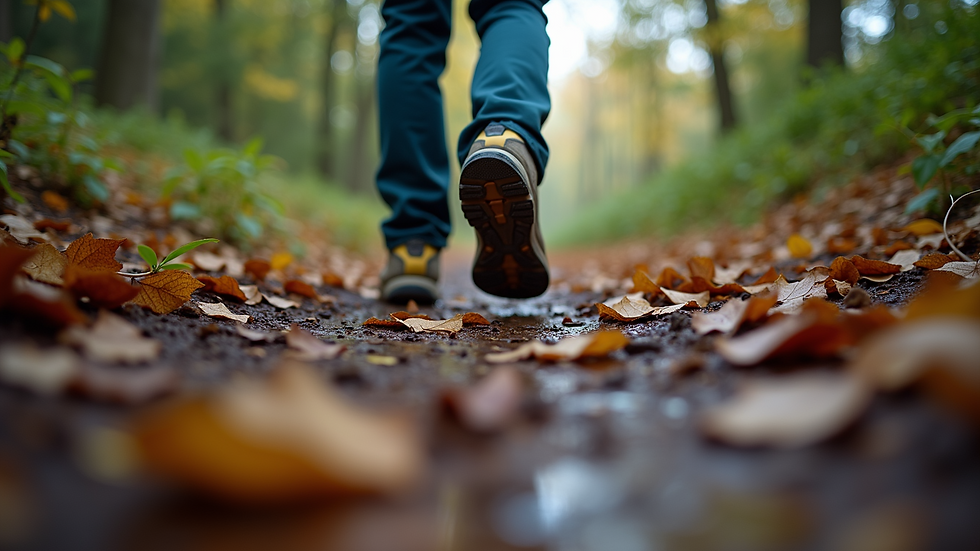
Eye-level view of trekking shoes suitable for monsoon trekking in Western Ghats
Tips for Buying and Maintaining Trekking Shoes in India
Buying Tips
Try before you buy: Visit stores where you can try shoes with your trekking socks.
Break them in: Wear your shoes on short walks before the trek to avoid blisters.
Check return policies: In case the fit is not perfect after trying at home.
Maintenance Tips
Clean your shoes after every trek to remove mud and dirt.
Dry them naturally; avoid direct sunlight or heaters.
Use waterproof sprays to maintain water resistance.
Replace insoles if worn out for added comfort.
Final Thoughts on Selecting Trekking Shoes for India
Choosing the right trekking shoes is a crucial step in preparing for your adventure. Consider the terrain, climate, and your personal comfort needs carefully. Investing in quality shoes will enhance your trekking experience and keep your feet safe and comfortable.
For those looking to explore the vast trekking options in India, finding the perfect pair of trekking shoes india can make all the difference. Remember, the right shoes are not just about style but about performance and protection.
Happy trekking!

$50
Product Title
Product Details goes here with the simple product description and more information can be seen by clicking the see more button. Product Details goes here with the simple product description and more information can be seen by clicking the see more button

$50
Product Title
Product Details goes here with the simple product description and more information can be seen by clicking the see more button. Product Details goes here with the simple product description and more information can be seen by clicking the see more button.
$50
Product Title
Product Details goes here with the simple product description and more information can be seen by clicking the see more button. Product Details goes here with the simple product description and more information can be seen by clicking the see more button.


Comments